

Green Air Conditioners: The Future of Sustainable Cooling
As the global focus on sustainability and environmental responsibility grows, the demand for green air conditioning systems is rising. Traditional air conditioning systems can be energy-intensive and have a significant environmental impact, particularly in terms of greenhouse gas emissions and refrigerant use. Green air conditioners offer an eco-friendly alternative, combining energy efficiency with reduced environmental harm.
What is a Green Air Conditioner?
A green air conditioner is designed with sustainability in mind, using environmentally friendly refrigerants, energy-efficient technologies, and sustainable materials. These systems are built to lower carbon footprints and reduce the strain on the power grid, while still providing optimal cooling.
Key elements of green air conditioners include:
- Energy Efficiency: High-efficiency units that use less electricity to achieve the same cooling effect.
- Eco-Friendly Refrigerants: The use of refrigerants with lower global warming potential (GWP) to minimize environmental impact.
- Smart Technology: Integration of smart thermostats and sensors to optimize cooling based on usage, reducing waste.
- Sustainable Design: The use of recyclable materials and long-lasting components that reduce the need for frequent replacements.
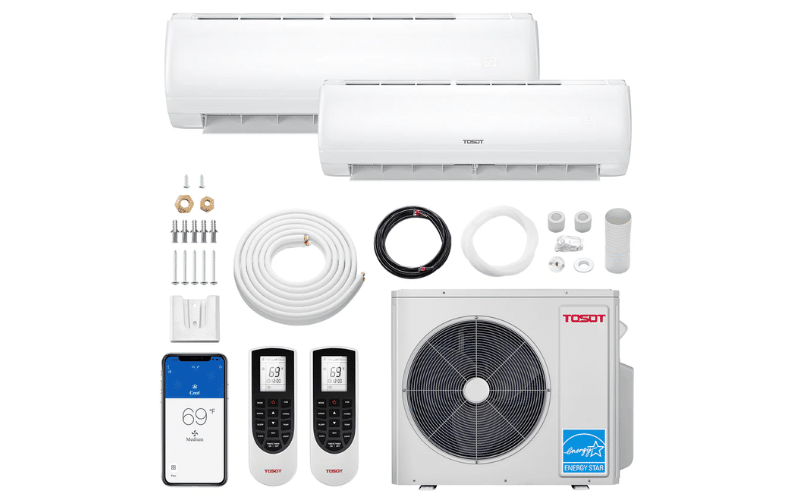
Key Technologies in Green Air Conditioning Systems
Inverter Technology
more energy-efficient operation.
Geothermal Cooling
energy-efficient and sustainable solution
Evaporative Cooling
ideal for dry climates
Solar-Powered Air Conditioning
significantly reducing reliance
Natural Refrigerants
minimizing their environmental impact
Reduced Energy Consumption
lowers energy usage
Applications of Green Air Conditioning
Green air conditioners can be used in a variety of settings, from residential homes to large commercial spaces. With advances in technology, these systems are increasingly accessible and scalable for different needs:
Residential: Solar-powered or inverter-based units provide efficient cooling for homes, offering a perfect balance between sustainability and comfort.
Commercial: Geothermal and hybrid systems are excellent for commercial buildings, where high energy demands and large spaces require advanced solutions for sustainability.
Industrial: In manufacturing plants or warehouses, where energy costs can be substantial, green air conditioning systems can greatly reduce operational expenses and environmental impact.
Challenges and Considerations
While green air conditioning systems offer numerous benefits, there are a few challenges to consider:
Initial Cost: The upfront cost for green systems, particularly for solar and geothermal options, can be higher than traditional units. However, the long-term savings often outweigh the initial investment.
Location Suitability: Some systems, such as evaporative coolers, work best in specific climates, like dry regions. For humid environments, other green technologies, like inverter or geothermal systems, may be more effective.
Maintenance Requirements: While green systems are designed for efficiency, regular maintenance is essential to ensure they continue to perform optimally and to maximize their lifespan.
The Future of Green Cooling
With increasing awareness of climate change and the push for sustainable solutions, the future of air conditioning is undoubtedly green. As technology continues to evolve, we can expect even more efficient, environmentally friendly systems to become available. Governments and organizations worldwide are encouraging the adoption of green technologies through regulations and incentives, driving the demand for sustainable cooling solutions.